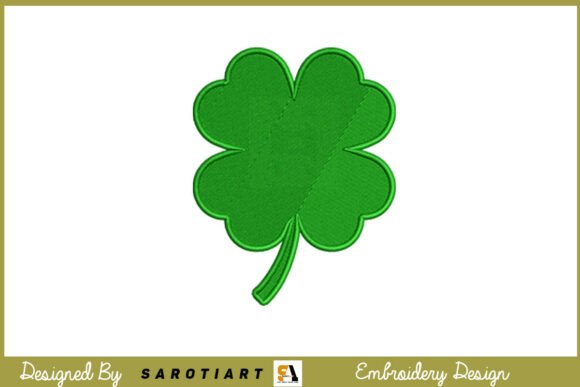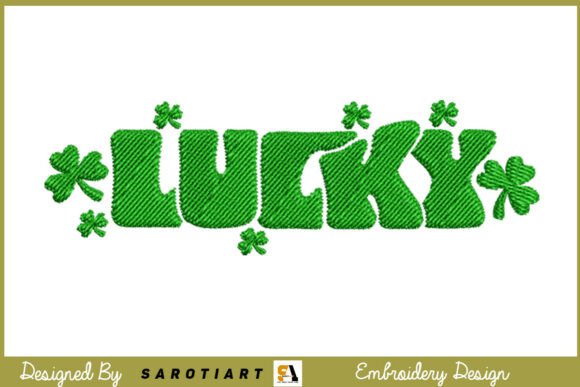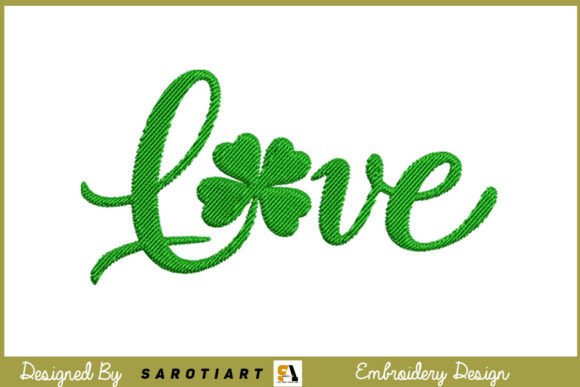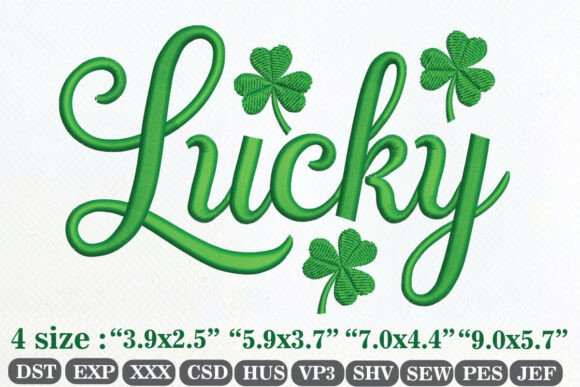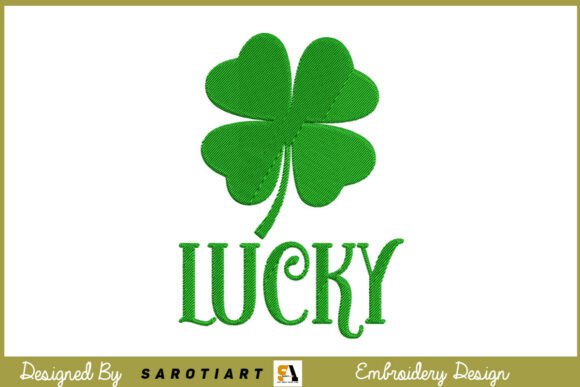
Patrick s Day Embroidery Design Lucky
The Patrick s Day Embroidery Design Lucky is a versatile and eye-catching machine embroidery design perfect for small business merch, custom apparel, and branded patches. Its playful yet professional aesthetic makes it ideal for businesses looking to add a festive touch to their products without compromising on quality or visual appeal.
First Impression: A Festive and Professional Touch
From the first glance, Patrick s Day Embroidery Design Lucky exudes a friendly and bold personality. The design features a simple yet effective line art of hands holding a lucky symbol, which feels both handmade and modern. This balance makes it suitable for a wide range of applications, from kids’ clothing to premium merchandise.
The design’s clean lines and minimal details suggest it was crafted with both functionality and aesthetics in mind. It has a slightly rustic edge that adds character, making it a great fit for boutique brands, handmade shops, and Etsy sellers who want to maintain a unique brand identity.
Real Business Use: Versatility Across Merchandise
Patrick s Day Embroidery Design Lucky shines when used as an embroidered patch, chest logo accent, or sleeve detail. Its simplicity allows it to work well on caps, tote bags, and aprons, where clarity and visibility are key. For small business owners, this design can be a valuable addition to their product lineup, especially during seasonal promotions or St. Patrick’s Day events.
As a cap embroidery or apron embroidery design, it offers a subtle yet memorable presence. When stitched onto work shirts or product packaging, it serves as a consistent brand identifier that reinforces customer recognition and trust.
This design also works well as a customer gift or event merch piece. Its size and style make it adaptable for use on t-shirts, signs, and even printable mockups, giving businesses flexibility in how they incorporate it into their branding strategy.
Where to Use Carefully: Limitations and Considerations
While Patrick s Day Embroidery Design Lucky is highly versatile, there are certain scenarios where caution is advised. On small patch sizes, the design may lose some of its detail, especially if the lettering or intricate elements are too fine. Businesses should test it at reduced sizes before committing to production.
When applied to curved surfaces like caps or sleeves, the design may require slight adjustments to ensure proper alignment and stitching. Similarly, on textured fabrics or dark uniforms, the thread colors may not stand out as effectively. It’s important to review the thread color contrast and ensure the design remains visible under different lighting conditions.
High stitch density or detailed outlines could lead to puckering or distortion on delicate fabrics. Using the right stabilizer and adjusting the hoop size accordingly can help prevent these issues. Additionally, frequent washing may affect the longevity of the design, so it’s recommended to advise customers on proper care instructions.
Impact on Brand Identity and Customer Trust
Patrick s Day Embroidery Design Lucky can significantly enhance a business’s brand identity by offering a cohesive and recognizable visual element. When used consistently across merchandise, it helps build customer trust and increases the perceived value of the products.
For small business owners, this design provides an opportunity to present their products in a more professional and polished manner. Whether it’s used on aprons, tote bags, or customer gifts, it adds a layer of craftsmanship that resonates with handmade product enthusiasts and eco-conscious buyers.
Its playful nature also encourages buyer engagement, especially during seasonal campaigns. By incorporating it into their branding, businesses can create a stronger emotional connection with their audience while maintaining a clear and consistent visual language.
Practical Designer Notes for Success
Before finalizing any project using Patrick s Day Embroidery Design Lucky, it’s essential to test it in black and white to assess its clarity and visual impact. This step helps identify any potential issues with spacing, stitch density, or overall composition.
Businesses should also verify that the design works well at small patch sizes, especially if it will be used for uniform accents or limited space applications. Checking thread color contrast ensures that the design remains visible and aesthetically pleasing on various fabric types.
Proper hoop size and stabilizer use are critical for achieving a high-quality finished product. Testing the design on real fabric before mass production can save time and resources. Creating a printable mockup for client approval also helps set expectations and ensures satisfaction with the final result.
Finally, always confirm commercial licensing before using the design for business purposes. This ensures that the digital embroidery file can be legally used for branded merchandise, custom apparel, and other commercial embroidery projects.